- Explain the work behind each finished image.
- Be specific about services, process and where you work.
- Make the next step easy at the moment someone is ready.
Make the opening immediately useful
The first screen should say what the studio does, who it works with and where it operates. An elegant but vague promise can leave a prospective client unsure whether they have found the right practice.
Use a strong project image and concise positioning, then offer a clear route to selected work or an introductory conversation.
Give projects a narrative
A project page can identify the type of space, the challenge, the design response and the material or practical choices. Add a location when authorised and relevant. These details help a viewer connect a beautiful room to their own brief.
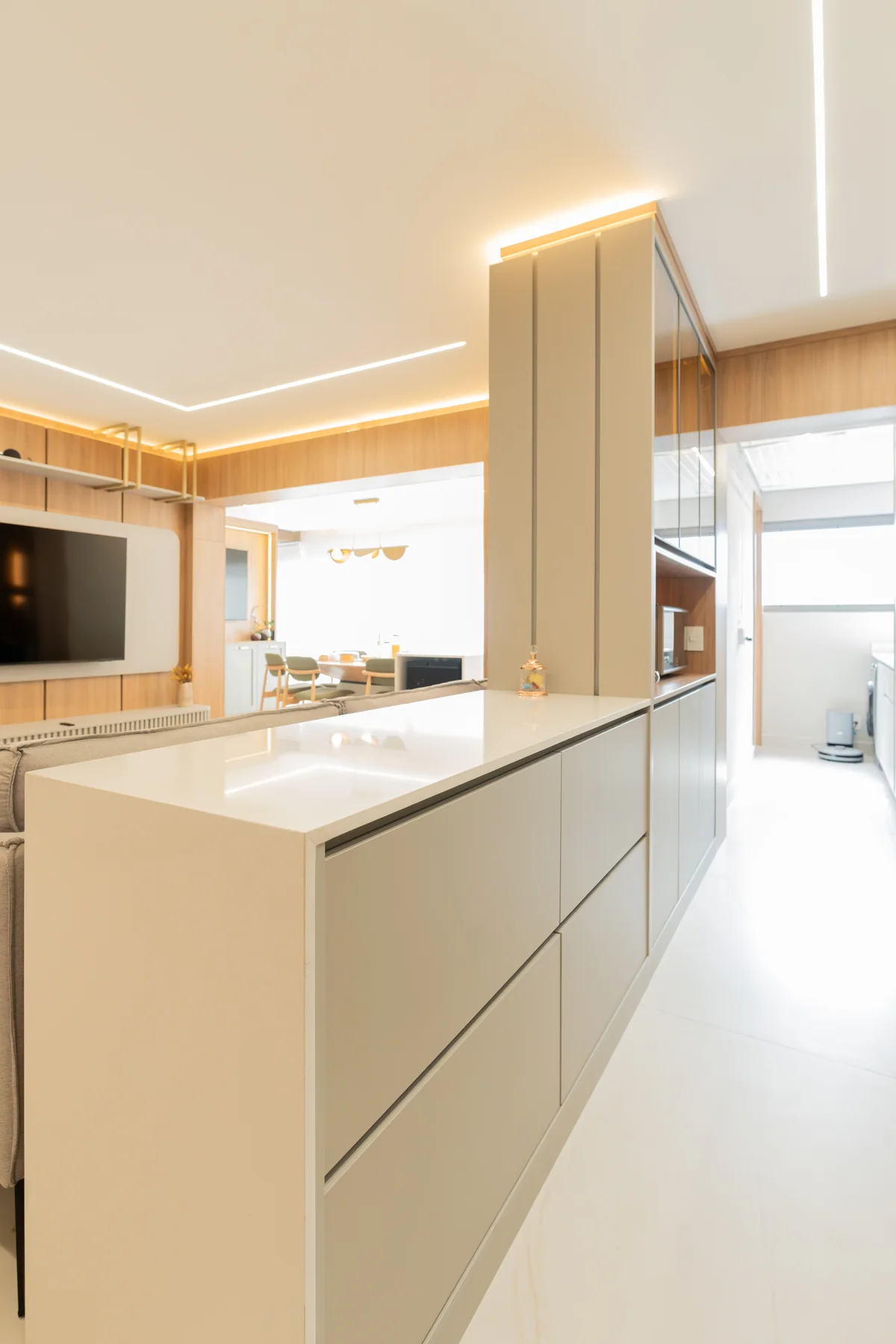
A carefully edited set of wide frames and details often works harder than dozens of similar images with no explanation.
- An establishing image and useful caption.
- The brief or problem and the chosen response.
- Details that reveal materials or function.
- An enquiry path related to that kind of work.
Explain the process in plain language
Residential interiors, refurbishment, fitted furniture and project management cover different scopes. Name what is included, how the first meeting works and what a potential client should prepare.
This clarity can improve the quality of the enquiry and reduce repeated explanation by the team.
Make the site technically readable
Important pages deserve distinct URLs, descriptive titles and text that search engines can read. Contact forms should work on a phone, and privacy and business details should be easy to find.
These foundations do not promise rankings in London or anywhere else. They make the website easier for both visitors and crawlers to understand.
Sources and further reading
Give the work a more considered digital home.
Khaph combines visual direction, websites and paid media for interior brands.
Explore digital services