- A website builds the wider brand and portfolio story.
- A landing page focuses on one offer or campaign.
- Choose based on the visitor’s next decision, not only build cost.
What the main website is for
A complete website can explain the brand in layers: approach, projects, services, showrooms or service areas, team and contact. It supports someone encountering the maker for the first time and someone comparing firms before a substantial commission.
When there are several product lines or audiences, separating these paths is usually clearer than forcing everything into a single page.
What a landing page is for
A landing page answers a narrower question. It might support a fitted-kitchen campaign, an event, one location or a particular design service. Its message should continue the promise that brought someone there and make the desired action obvious.
Focused does not mean thin. The page still needs relevant proof, project examples, practical answers and a credible way to enquire.
How they can work together
The website offers a durable foundation; campaign pages can test specific messages and measure responses. A multi-location brand may need a main site and genuinely distinct regional routes.
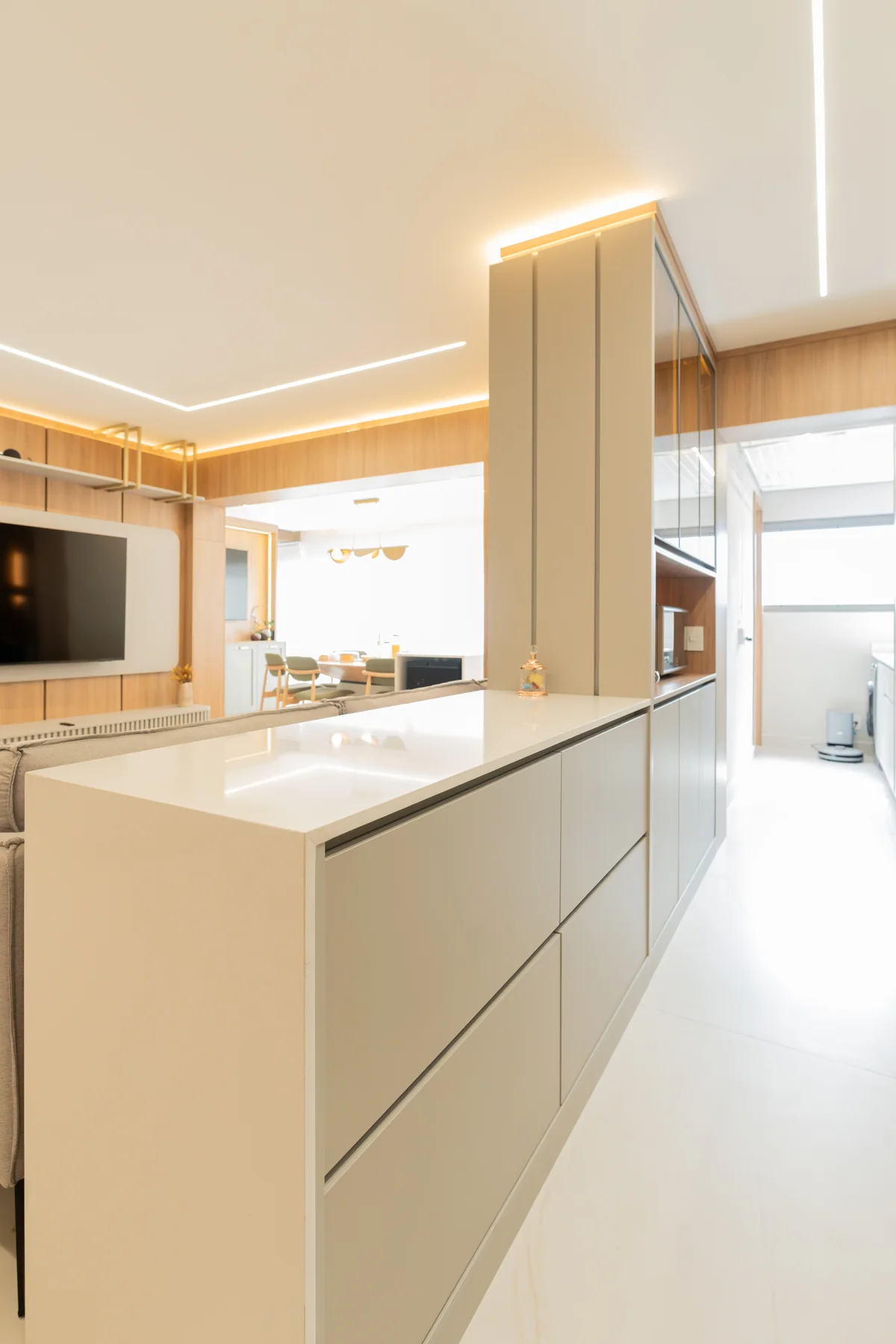
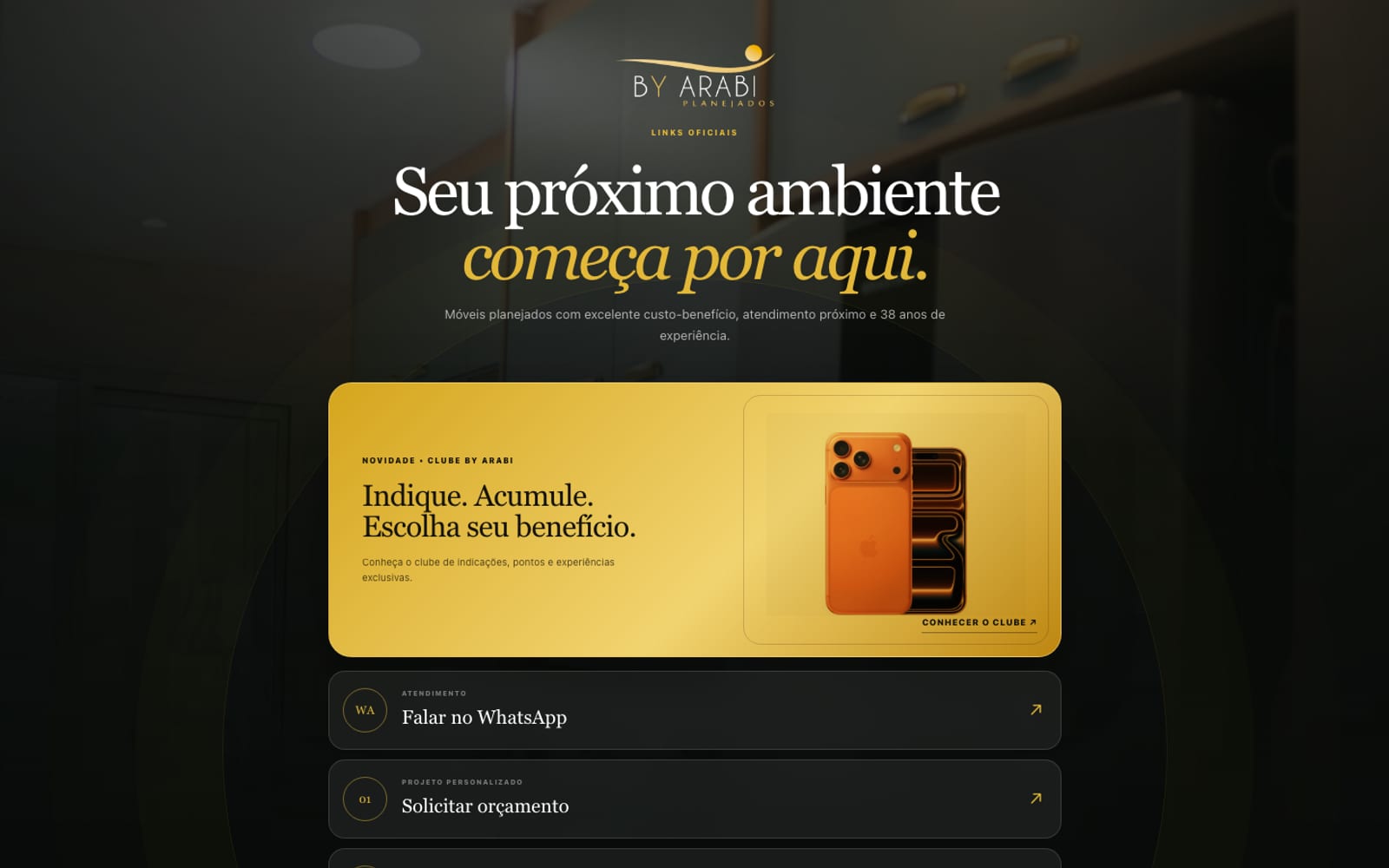
Khaph’s Valcenter and By Arabi projects in Brazil show more than one digital entry point: websites, campaign pages and specialised experiences. The structure follows the operating model rather than a fixed template.
A quick decision test
If someone searches your company name, is there a trustworthy place that explains the work and shows real projects? If not, the main site is likely the priority. If that foundation exists but a campaign needs a tighter story and measurement, add a landing page.
Define the audience, content and desired action first. The format should follow that decision.
Every page should have a job.
See how Khaph connects bespoke websites and campaign destinations with original visual content.
View the approach